🤖 AI to disrupt half of all HR roles by 2030
The corporate landscape stands at a pivotal moment where artificial intelligence meets human capital management, and the decisions leaders make today will determine which organizations emerge stronger in the next decade:
- 🤖 AI Transforms Half of HR Work by 2030: The timeline is shorter than most executives think
- ⚡ Companies Rush AI Tech But Neglect Essential Workforce Prep: A costly oversight that's already showing consequences
- 🥤 Coca-Cola's AI Leadership Revolution Transforms Corporate Strategy: How one iconic brand is rewriting the playbook
Why Scaling Culture Is Harder Than Scaling a Company
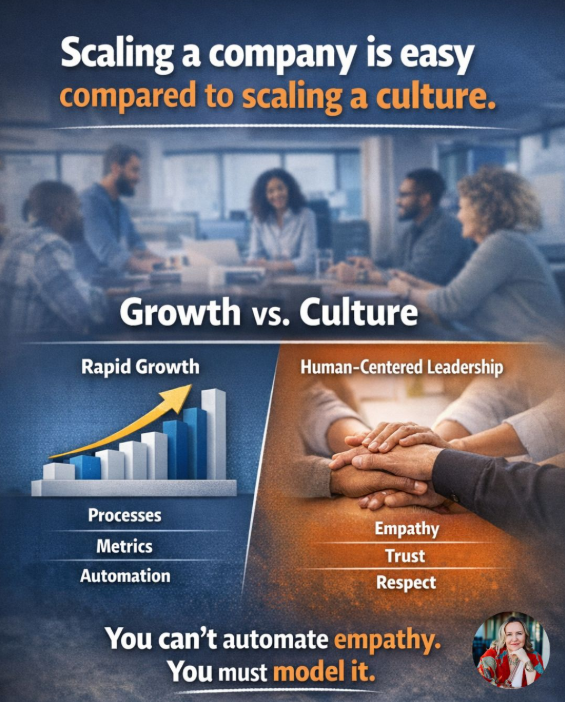
Rapid company growth creates a dangerous trap: founders perfect their products but lose their people. While scaling from 10 to 1,000 employees, the systems change but the need for genuine human connection remains constant.
Key Points:
- Technical scaling gets attention while cultural scaling gets neglected during hyper-growth phases
- Communication breaks down as teams expand, creating disconnect between leadership and employees
- Empathy and human connection cannot be automated or simply documented in company handbooks
- Successful culture requires active modeling in daily interactions, not just written policies
Why It Matters: Companies that master both product-market fit and people-market fit create sustainable growth that doesn't sacrifice team cohesion for revenue targets.
Source: svexecutive.academy
Companies Rush AI Tech But Neglect Essential Workforce Prep
Organizations are rushing to deploy AI agents that double productivity overnight, but they're creating dangerous bottlenecks where workers lack the tools, training, and support to keep pace. Companies spend 93% of AI budgets on technology while only 7% goes toward preparing their workforce—a recipe for resistance, failed adoption, and unchecked AI systems that could damage brands.
Key Points:
- Middle managers resist AI adoption while C-suites invest heavily and younger workers adapt naturally, creating a "donut hole" of organizational dysfunction
- Workforce resistance acts like antibodies fighting infection when employees don't see how AI improves their roles or showcases their unique value
- High-stakes industries require 99.999% accuracy that demands active human supervision, correction, and feedback loops most companies haven't built
- Humans excel at curiosity-driven questioning, emotional intelligence, and divergent thinking—capabilities machines can't replicate but need to function effectively
Why It Matters: Companies that invest equally in workforce transformation alongside AI technology will avoid costly bottlenecks, reduce employee resistance, and maintain the human oversight necessary for safe, accurate AI performance.
Source: fortune.com
AI Transforms Half of HR Work by 2030
The era of gradual HR transformation has ended. By 2030, artificial intelligence will automate or perform half of all HR activities, forcing a complete reimagining of how human resources operates and delivers value.
Key Points:
- Transform traditional transactional HR into AI-powered digital solutions that anticipate employee needs through intelligent self-service platforms
- Replace fixed HR business partner models with flexible strategic talent leader pods that leverage AI insights to guide business decisions
- Redesign centers of excellence from policy creators into custom HR product teams that build personalized employee experiences
- Develop immediate AI transformation roadmaps while 82% of HR leaders plan to deploy agentic AI within the next year
Why It Matters: Organizations that adapt their HR operating model to AI now will gain massive competitive advantage while those that don't risk becoming strategically irrelevant as AI reshapes the entire profession.
Source: gartner.com
Coca-Cola's AI Leadership Revolution Transforms Corporate Strategy
Coca-Cola is making a bold move by bringing in a new AI-focused CEO to lead its digital transformation. James Quincey steps down March 31st, with Henrique Braun taking the helm to accelerate artificial intelligence integration across operations.
Key Points:
- Quincey's departure reflects a broader executive trend where traditional leaders make room for AI specialists
- Braun will spearhead AI applications in marketing campaigns, product development, and supply chain management
- The move mirrors similar leadership shifts at Walmart and other major retailers prioritizing AI-driven operations
- Coca-Cola plans strategic AI partnerships to expand digital capabilities and maintain competitive positioning
Why It Matters: This leadership transition signals that AI has evolved from experimental technology to core business strategy, positioning companies for sustained competitive advantage in an increasingly automated marketplace.
Source: bitget.com
Leadership Resilience Builds Through Crisis Experience
Leadership during market turmoil demands more than just working longer hours and pushing through stress. A Wall Street veteran's experience during the dot-com crash reveals how protecting mental and emotional health becomes the foundation for making clear decisions when stakes are highest.
Key Points:
- Resilience develops through facing adversity, not avoiding it - leaders who experience difficult circumstances build stronger capacity to handle future challenges
- Strong relationships and networks provide the emotional support system that sustains leaders through crisis periods
- Physical and mental health practices like sleep, exercise, and stress management create the foundation for clear thinking under pressure
- Honest communication about challenges helps teams face reality and build collective strength rather than creating fear through uncertainty
Why It Matters: Leaders who invest in their mental and emotional resilience before crisis hits can stay steady, think clearly, and guide their teams effectively when markets and circumstances become unpredictable.
Source: businessrecord.com