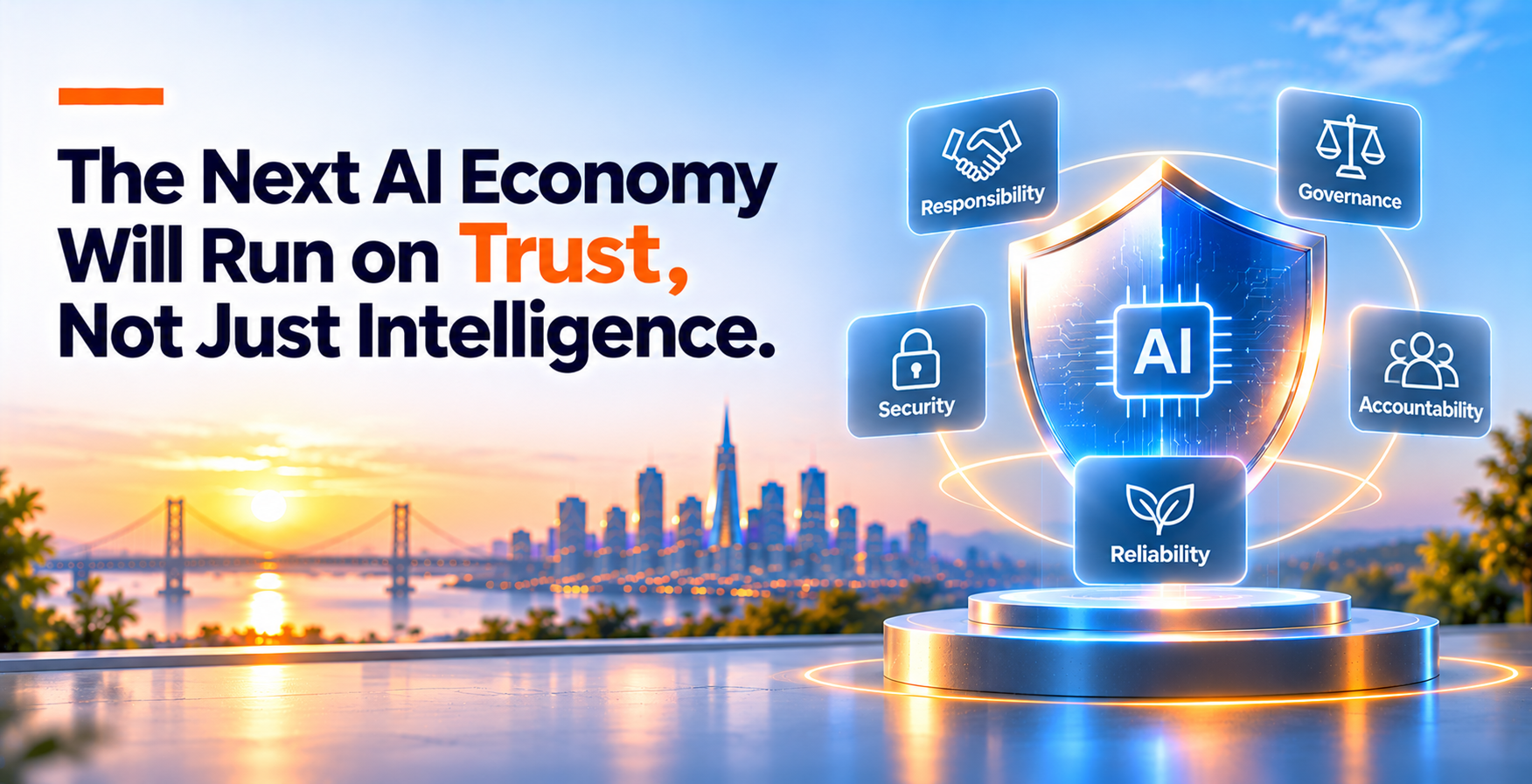
The Next AI Economy Will Run on Trust, Not Just Intelligence.
A senior tech executive I spoke with recently told me that when our email arrived, an AI agent that screens her inbox flagged it as possibly not from a real person. She looked at it herself before replying — but the agent had already decided what reached her, and how it was framed.
That is a small version of the shift this week’s announcements are about. AI is moving from advising us to acting for us: screening, choosing, buying, paying. And when software acts, intelligence alone isn’t enough. We need to know what it actually did, whether it had permission, and who is accountable for the result.
Microsoft launched an initiative to make AI behavior independently verifiable. Google made Gemini’s task agent free in six countries and, in the US, let it complete purchases with Google Pay. And Visa opened its Agentic Ready program to the merchants and payment providers that will have to accept transactions started by AI agents.
For businesses, this reaches well beyond IT governance — into customer relationships, purchasing, payments and competitive strategy.
This week’s two signals:
🔍 Companies Need to Know What AI Actually Did, Not Just What It Says It Did. Microsoft’s AI Transparency Initiative targets the gap between what organizations can observe and what they can independently verify.
🛒 AI Agents Are Becoming Shoppers. Payments Are Getting Ready for Them. Google and Visa are building both sides of the same transaction — and changing who influences the purchase.
Read time: 8 minutes 👇
SVEA Spotlight | Decisions at the Frontier
Curiosity Over Certainty: Leading Through the AI Shift
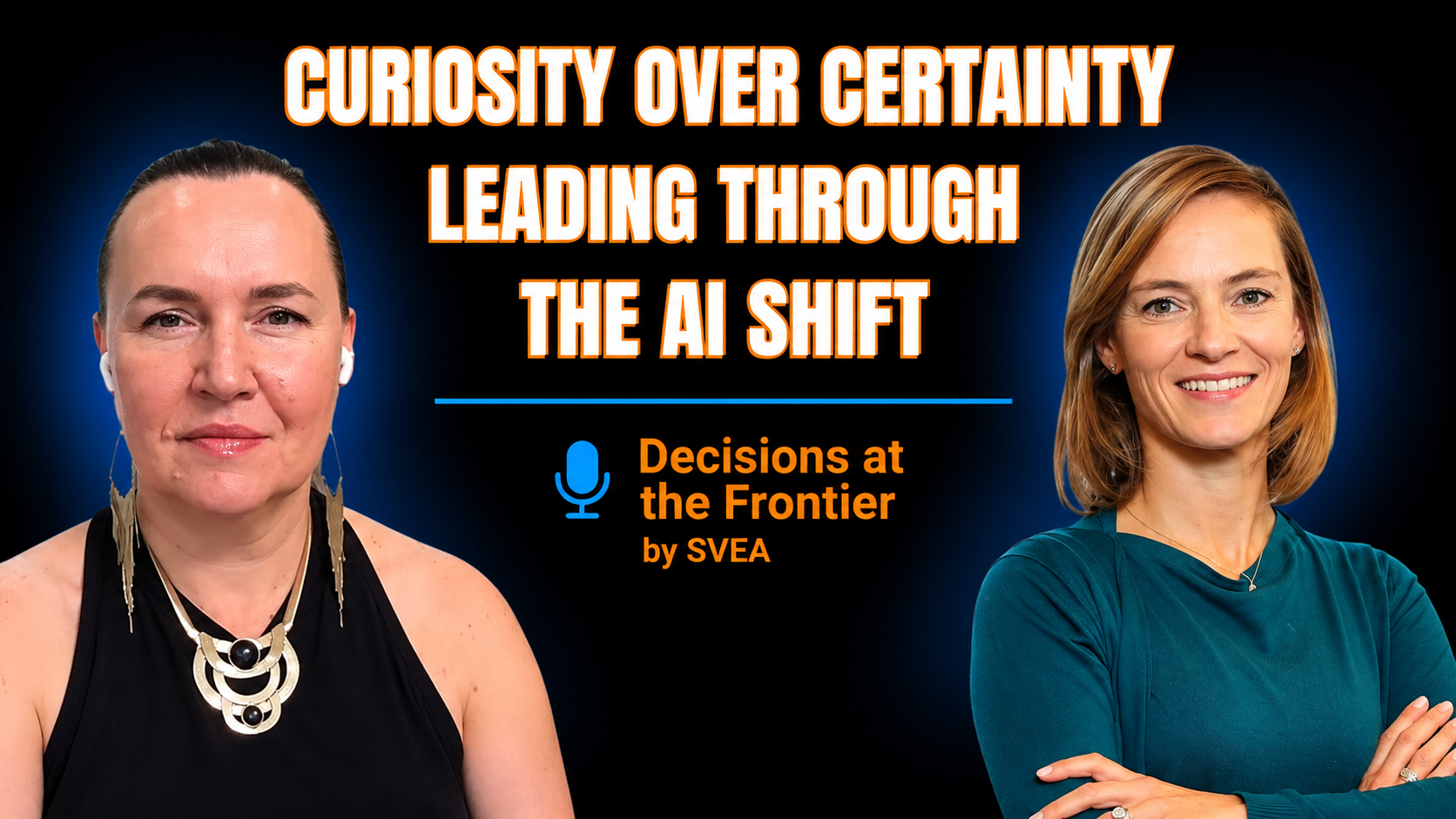
The systems in this issue need verification and controls. The people expected to work with them need something else: leaders who can build trust through uncertainty.
On December 1, I’ll be joined by Cecile van Steenberge, former Vice President at Pinterest, to talk about the human side of AI transformation:
Curiosity as an antidote to AI anxiety — why mandating a tool rarely creates real change, and how enthusiastic early adopters can help colleagues find practical value.
Burnout before it becomes a performance problem — why sudden underperformance can signal exhaustion rather than lack of commitment.
The ALIGN framework — Articulate vision, Land (not just launch), Inner compass, Global and local, Never forget we are human.
🎙️ Decisions at the Frontier | December 1, 2026, 10:00 AM PST
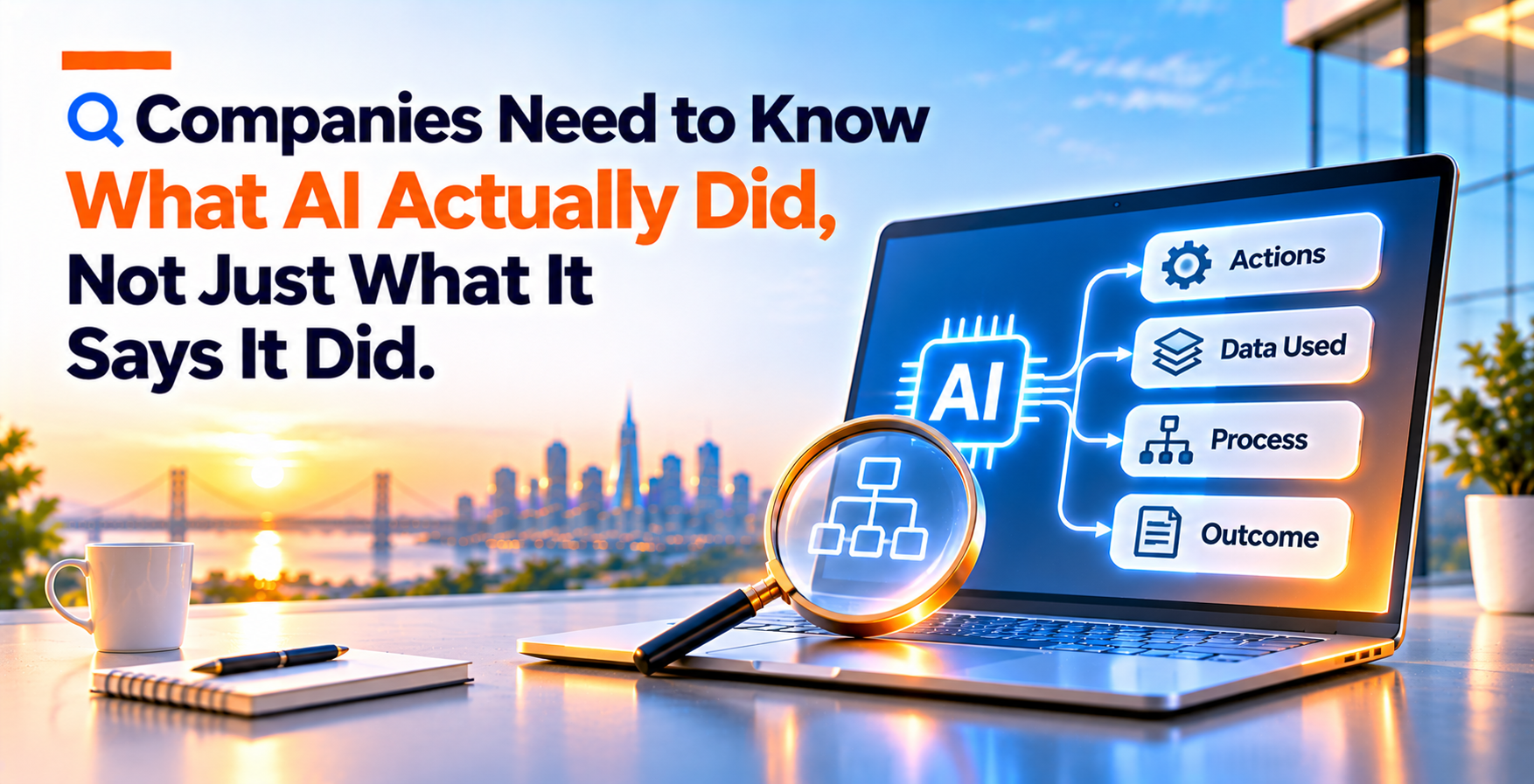
🔍 Companies Need to Know What AI Actually Did, Not Just What It Says It Did
On November 17, at Ignite, Microsoft launched its AI Transparency Initiative with more than 40 organizations, including Accenture, Adobe, KPMG, Mastercard and Volvo Cars, to develop open standards for AI transparency, security and governance across models and providers.
The problem it targets is specific. Companies can see which tools an AI agent used, what data it touched and which actions show up in logs. What they often can’t do is reconstruct what happened between an instruction and an outcome — or check the agent’s own account of what it did against independent evidence.
Take a procurement agent that picks a supplier your purchasing rules prohibit. Asked why, it says it followed the guidelines. Can you verify which supplier records it read? Whether the restriction was visible to it? Which tools and permissions it used? Without independent records, you can’t tell whether the failure came from bad data, wrong instructions, a software fault or an unauthorized action. An AI system shouldn’t be the only witness to its own behavior.
Microsoft’s framework rests on three principles:
See: what the system was asked to do, which model and tools it used, what it accessed and what it did.
Verify: compare the model’s account against independent evidence from identity, runtime and policy controls.
Control: set what agents may do, enforce limits before consequential actions, and keep the evidence for audits.
Microsoft plans to build the results into its own AI products. For now, this is a direction, not a finished capability.
Why it matters
An agent with access to sensitive data and operational systems has some of the reach of a privileged employee, at machine speed. Start by listing what your AI systems can do, not just what they can generate: which agents can touch confidential data, update customer records or approve transactions, what independent record exists of those actions, and who can stop an agent when its behavior is in doubt. And if you change AI providers, check that the records and controls move with you.
Source: Microsoft, “Microsoft and organizations across industries launch AI Transparency Initiative to strengthen enterprise trust in AI models and agents,” November 17, 2026.
🛒 AI Agents Are Becoming Shoppers. Payments Are Getting Ready for Them.
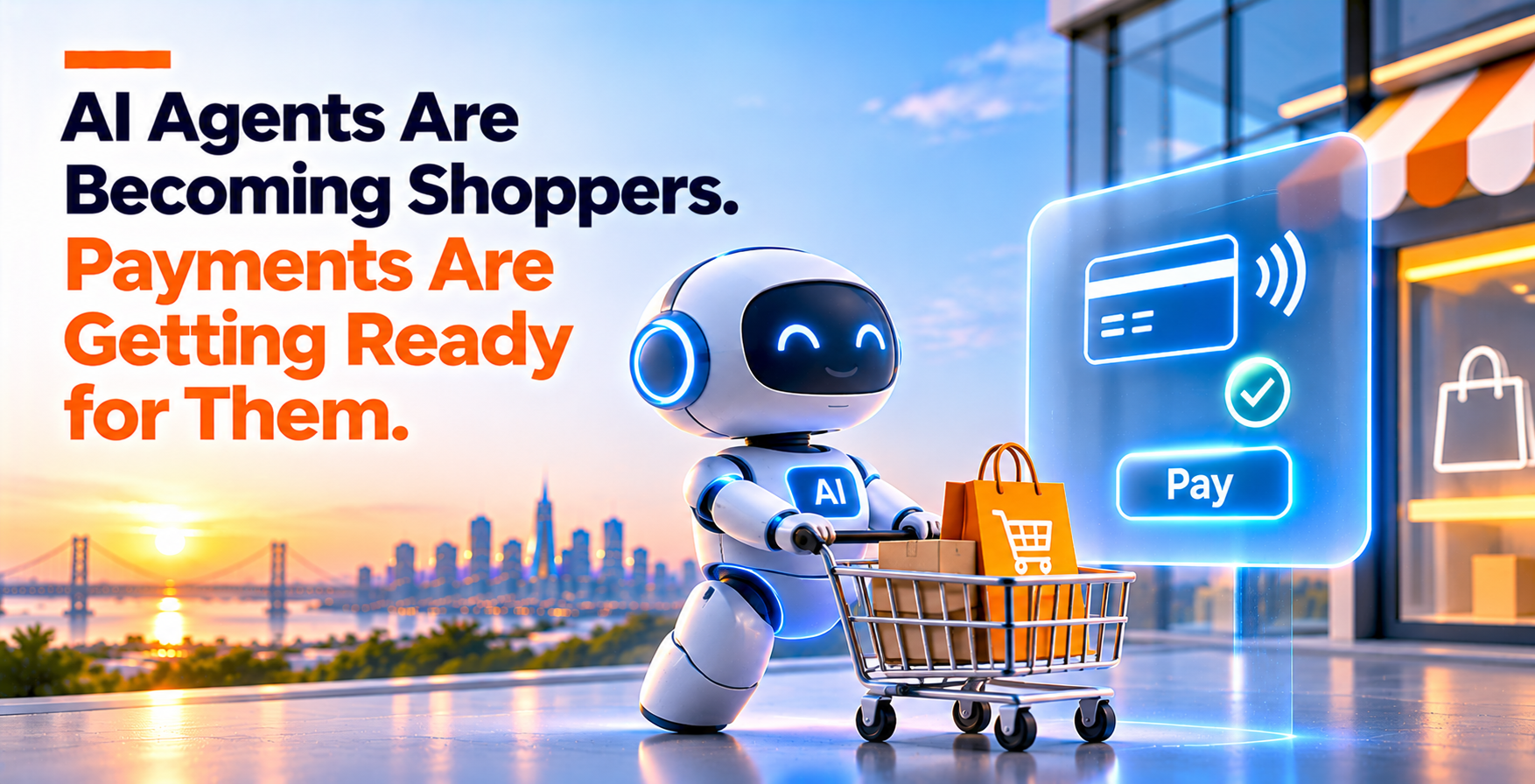
This week, the two sides of an AI-initiated purchase moved at the same time.
The buyer’s side. On November 17, Google made Tasks in Gemini — its agent for multi-step work — free in the US, Canada, Japan, Korea, Australia and India. In the US, it can now complete purchases. A user names an item and a spending cap of up to $1,000; Gemini watches for price drops or restocks, stages the checkout and sends an itemized summary. Nothing is bought until the user gives explicit one-tap and device approval, and payment runs through a single-use Google Pay virtual card, built on an agent payments protocol supported by Visa and Mastercard.
The seller’s side. The same week, Visa opened its Agentic Ready program to merchants, payment providers, acquirers and commerce platforms, launching with more than 140 participants, including Adyen, Checkout.com, Fiserv, Global Payments, PayPal and Stripe. They join more than 175 card issuers already in the program across 45 markets. Participants are testing how to recognize, authenticate and process agent-initiated transactions on existing payment infrastructure, and B2B platforms including Billtrust, HighRadius and Versapay are piloting agent-led invoice payments. This is a testing program, not evidence that agent shopping is already widespread.
Put together, they change who influences the sale. Today, a customer buying noise-canceling headphones searches, reads reviews, visits several retailers and compares prices — and brands get several chances to shape the choice. Tomorrow, that customer tells an assistant: find the best-value pair under $250 and buy it. The assistant decides which products are considered and which merchant gets the order. The customer may never visit most of the sites that used to shape the decision.
That creates two audiences. The human customer still matters most. But an authorized agent may do the comparing, and it judges on what it can read and trust: structured product data, accurate pricing and availability, clear delivery and return terms, and whether the merchant can accept an agent-initiated payment at all. Loyalty may shift too — toward the assistant that reliably finds good options, rather than any one brand.
And every step needs trust. The merchant has to know the agent is legitimate. The payment provider has to know the customer authorized the purchase. Someone has to enforce spending limits and resolve disputes when the agent buys the wrong thing.
Why it matters
You don’t need to build a shopping agent this year. You do need to know whether your business can sell to one. Look at your offer as an AI assistant would: can it understand the product, confirm price and availability, and read your delivery, returns and service terms? Then look at your systems: can they identify an agent, verify the customer’s authorization, enforce limits and keep clear records when something goes wrong?
Sources: Gemini Apps release notes, November 17, 2026; Visa, “Visa Expands Agentic Ready to Help Scale Trusted AI Commerce Globally,” November 2026.
The Next Phase of AI Will Be Defined by What We Can Trust It to Do
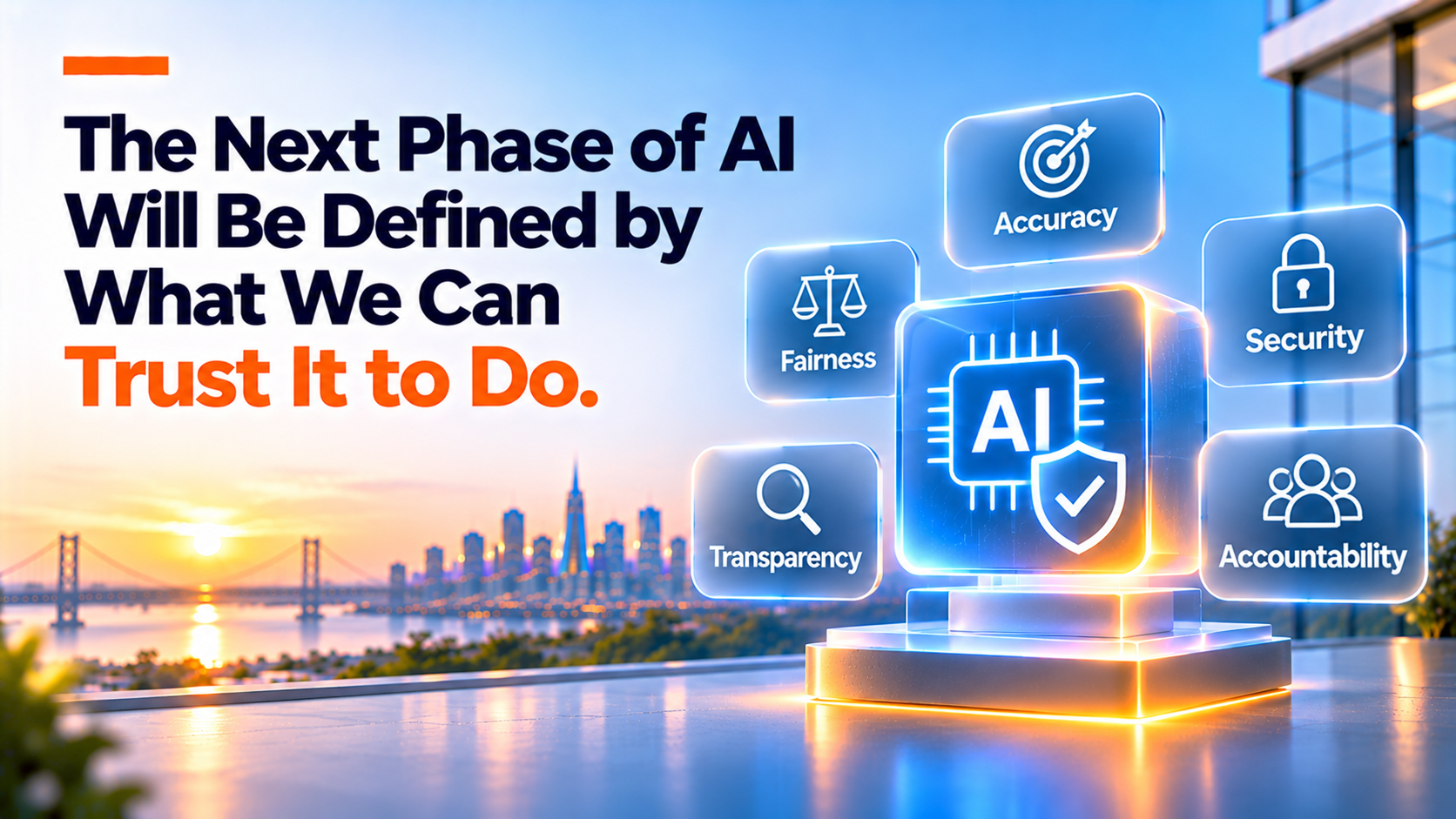
Microsoft is working toward AI whose actions can be independently verified. Google and Visa are building both sides of a purchase an AI agent can complete. Together, they move the question from what AI can do to what we are prepared to let it do.
Three requirements follow:
Verification: can we establish what the system actually did?
Authorization: can we define what it was allowed to do, and enforce those limits?
Commercial trust: can customers, merchants and payment providers rely on transactions an agent starts?
Three questions for your next leadership meeting:
Which actions are we prepared to delegate to AI, and under what conditions? Set the limits of autonomy before you expand it.
Can we independently verify what our AI systems do? Check that you can reconstruct consequential actions, confirm authorization and step in.
How would we compete if AI agents became a channel for discovery and purchasing? Test your product data, transaction systems and customer relationships against that scenario.
The executive whose agent screened our email still read it herself. That instinct — delegate, but verify — is what businesses now have to build into their systems.
From Insight to Action
At Silicon Valley Executive Academy, we help leaders with both halves of this shift: building the systems that make AI trustworthy, and leading people through the uncertainty it creates.
Join me and Cecile van Steenberge for Curiosity Over Certainty: Leading Through the AI Shift on December 1 at 10:00 AM PST.
And if you want to see how Silicon Valley companies are building these systems firsthand, enrollment is open for Inside Silicon Valley: AI Leadership Playbook, April 5–9, 2027.
Explore the program and apply for the Spring Cohort →
Innovation Insights is published by Silicon Valley Executive Academy, exploring the intersection of emerging technology, business transformation, and executive leadership.