Immersion Case Study
A Silicon Valley Capstone for High Potentials: Eighteen Months of Leadership Development, Three Days That Made It Real
A three-day private executive immersion program for the high-potential leadership cohort of a global engineering firm — the culminating experience of an eighteen-month development journey. Designed as Silicon Valley executive education, it combined innovation culture, hands-on design thinking, and AI leadership with direct access to the companies shaping both. Client details are anonymized; the substance is unchanged.
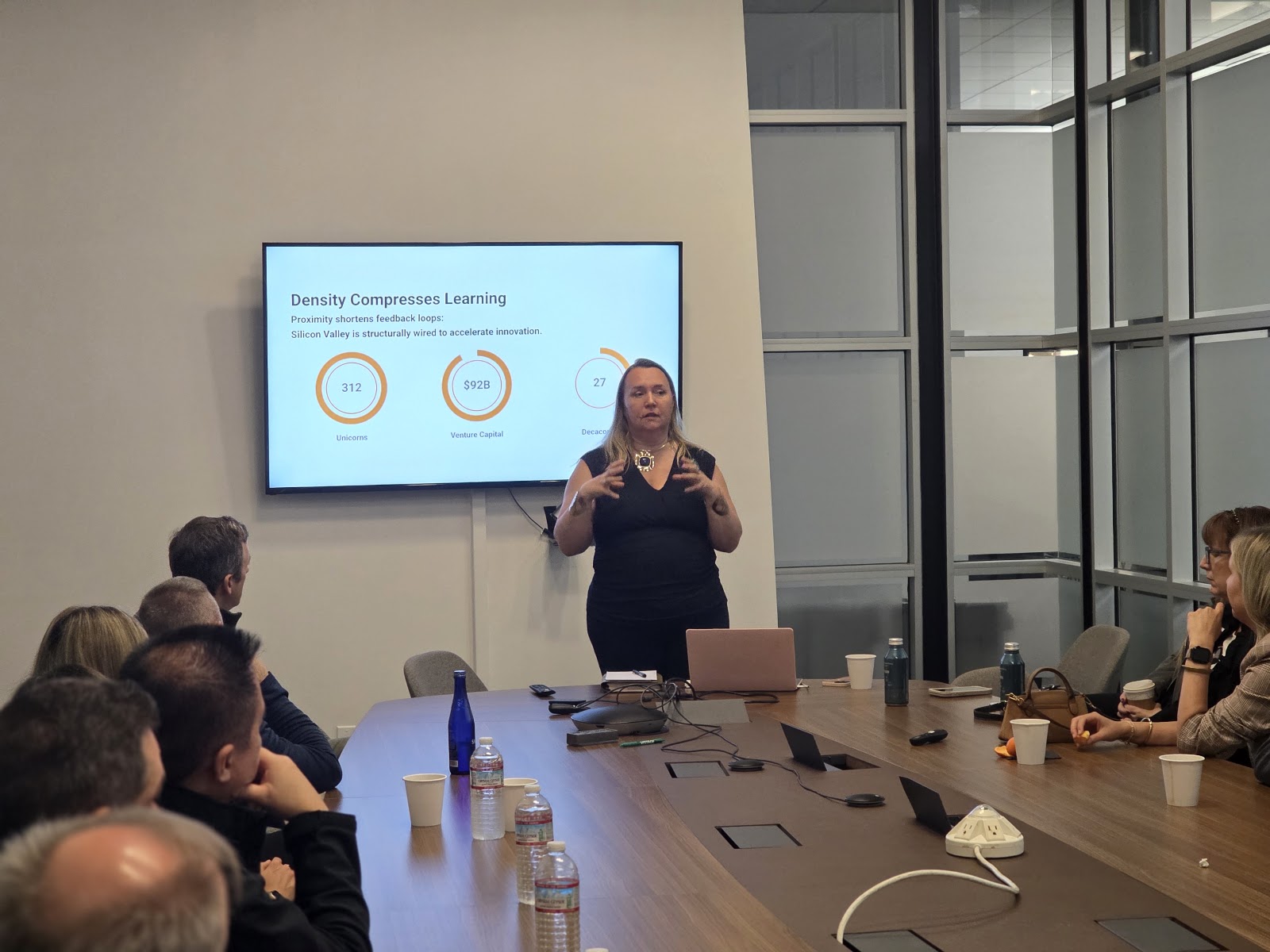
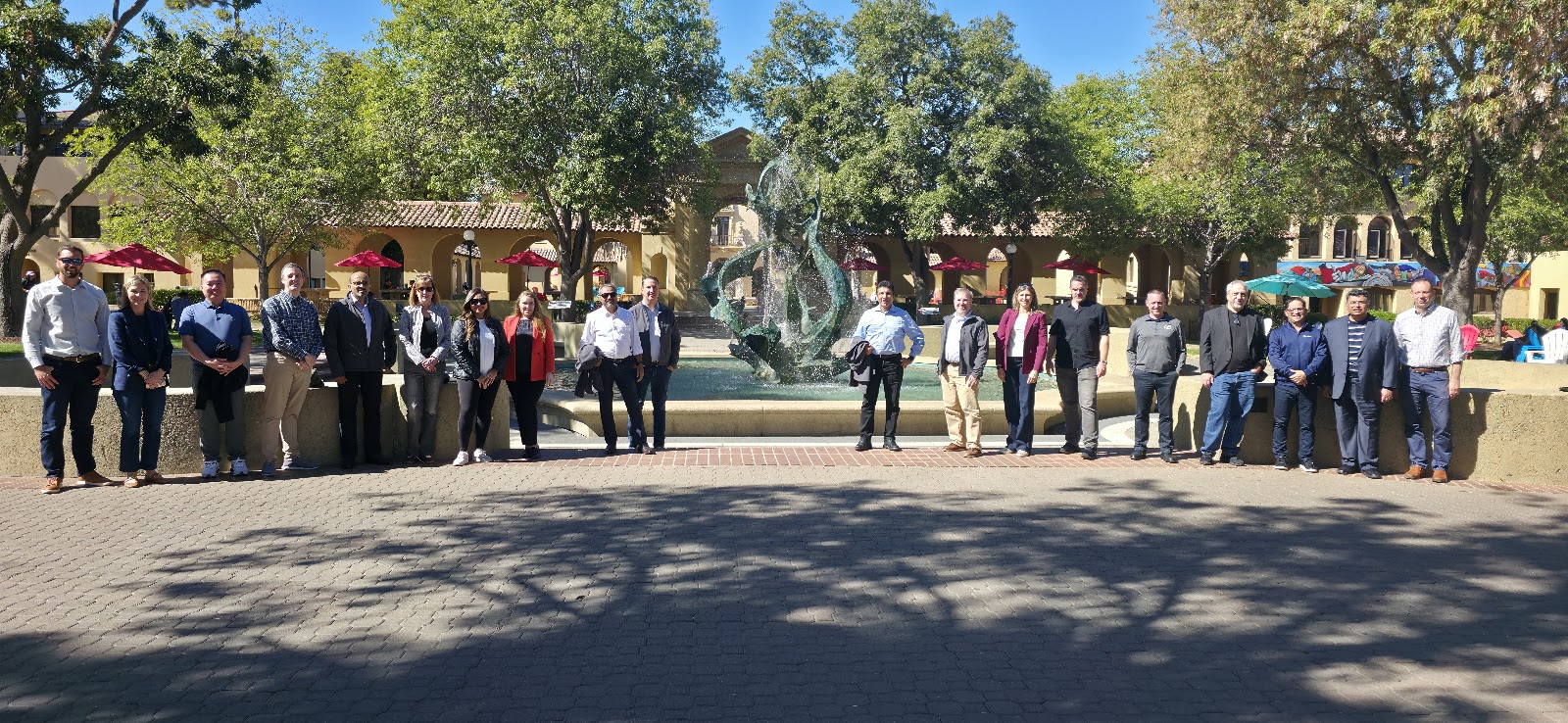
Truly a one-of-a-kind experience. Our team came away inspired, with fresh perspectives and a few practical takeaways that we can put into action right away.
The same note reported "so many positive comments about the content, the presenters, and how seamlessly everything was organized."
The challenge: a capstone worthy of eighteen months
The firm had invested eighteen months in developing its next generation of leaders. The capstone could not be a conference or a campus tour — it had to connect everything the cohort had learned to the forces actually reshaping their industry: AI, innovation culture, and the fight for talent.
The program was built around four themes, chosen with the firm and used to shape every session.
01
Innovation culture & leadership
How Silicon Valley balances speed, experimentation, and disciplined execution — and which of those practices an established engineering firm can adopt without losing what makes it excellent.
02
Design thinking in practice
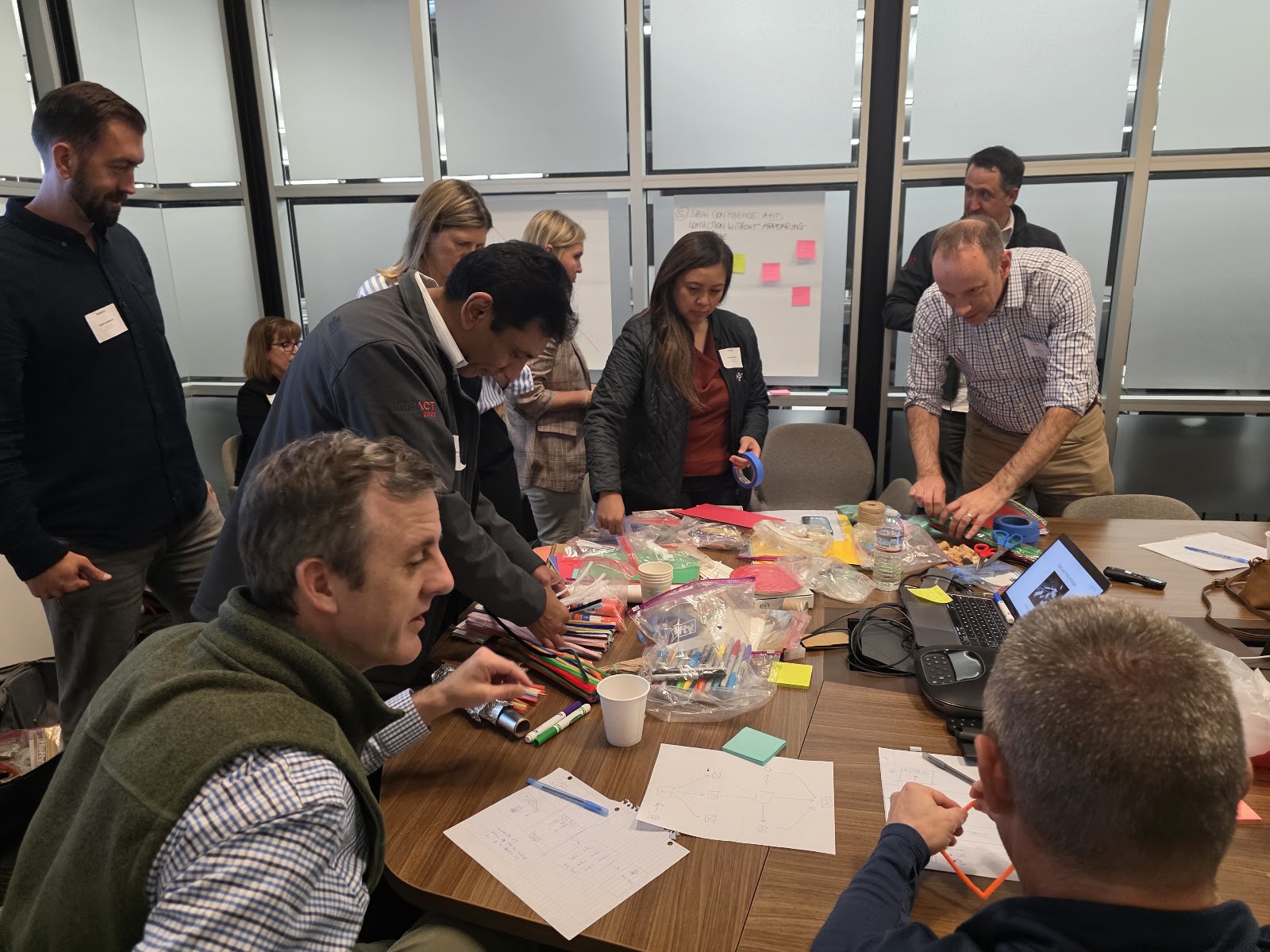
A hands-on design-build workshop moved the cohort from ambiguity to action: customer empathy, rapid prototyping, and learning by doing rather than by slide deck.
03
Customer focus at scale
How technology leaders turn customer insight into innovation priorities — and the operating mechanisms that keep that focus intact as organizations grow.
04
AI transformation
Prioritizing AI opportunities, governance, readiness, and measurable value — from the future of AI research to how enterprise platforms deploy it today.
How the immersion was designed
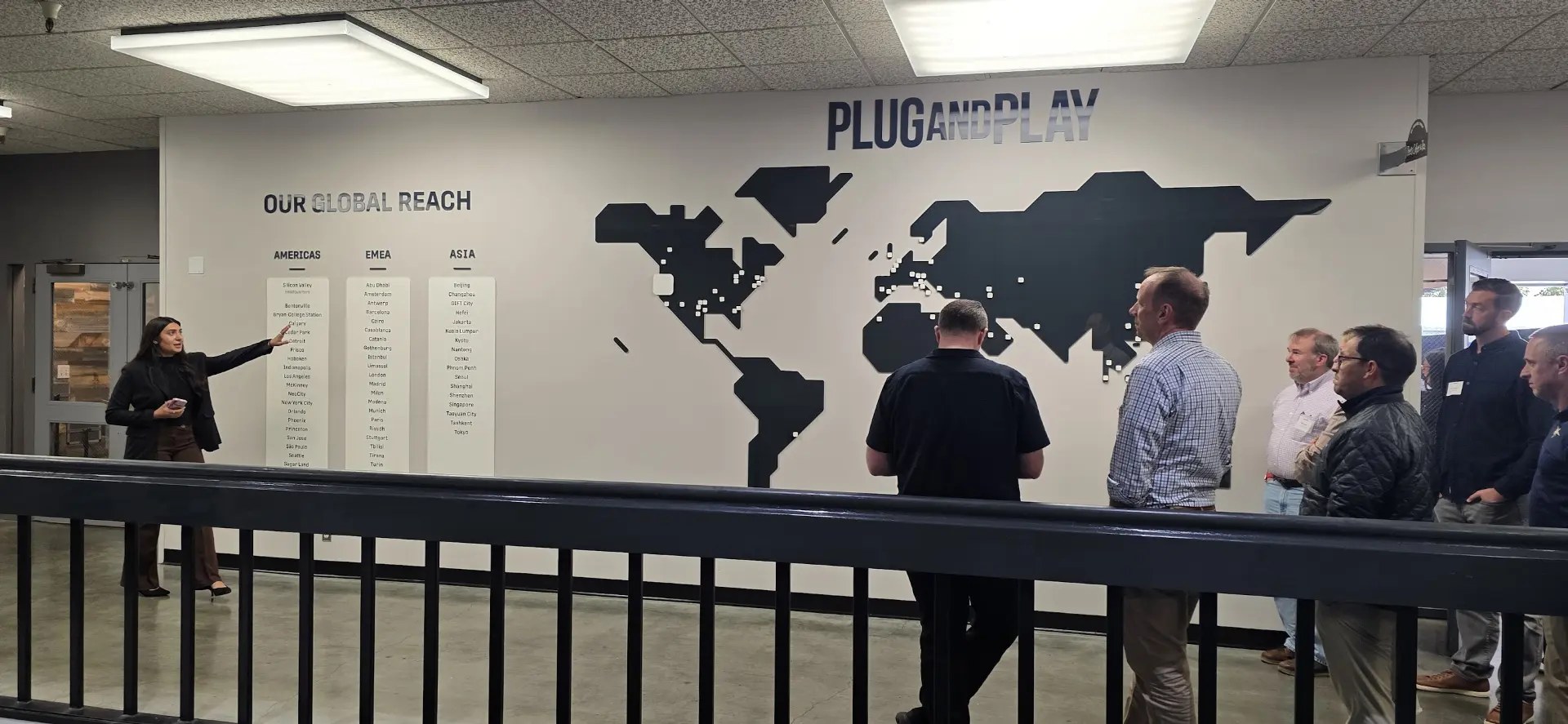
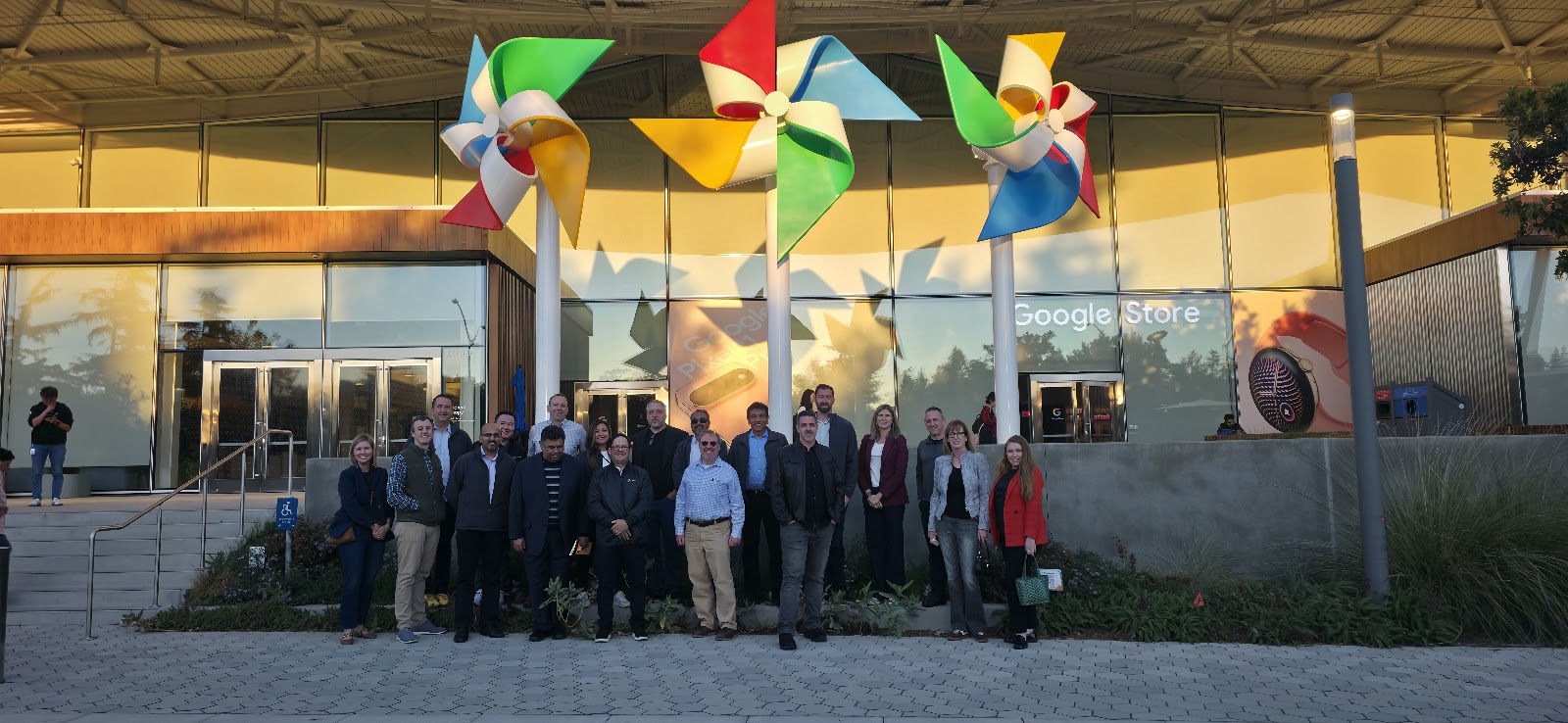
Three days combined executive sessions with engagements across the Silicon Valley ecosystem: a leading startup accelerator, a top research university campus, a global e-commerce and cloud leader, a global software company's senior AI leadership, and a leading AI research organization. These are the kinds of company and institutional visits that define a private Silicon Valley innovation tour built for leadership teams.
Each engagement was mapped to one of the four program themes, and each approached the same challenge from a different vantage point — startups, enterprise platforms, research, and academia. Nothing was scheduled simply because it was impressive to visit.
What the cohort explored
The Silicon Valley innovation playbook
The opening session set a shared perspective on how Silicon Valley companies approach innovation, speed, experimentation, customer focus, and continuous reinvention — and which practices translate into other organizational environments.
Inside the startup ecosystem
At a leading startup accelerator, the cohort saw how startups, investors, and corporations connect — and how established organizations can engage with startups to accelerate experimentation. The day ended with informal networking with startup founders.
Customer obsession as an operating mechanism
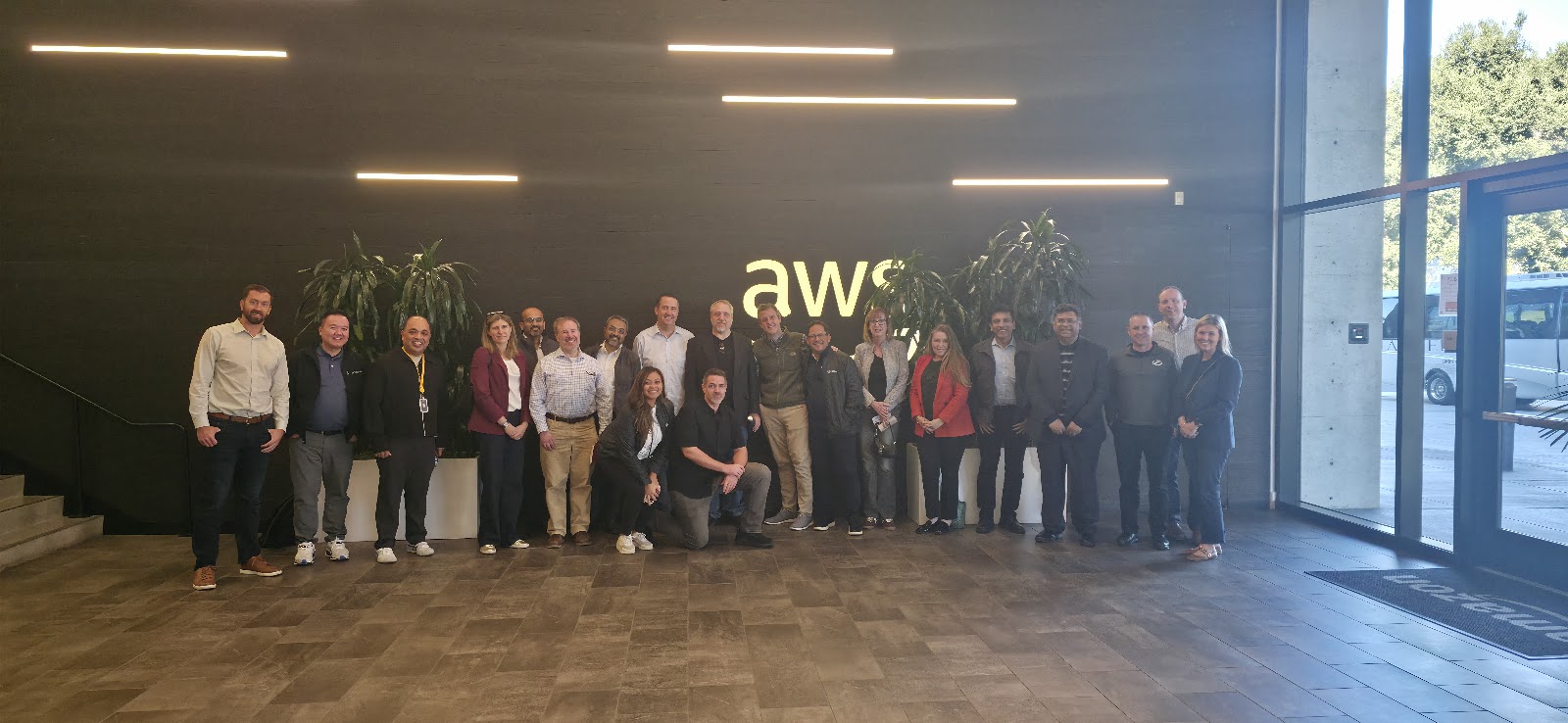
A session with a global e-commerce and cloud leader examined how leadership principles and operating mechanisms — not slogans — drive innovation and execution at scale.
AI-driven business transformation
A senior technology leader worked with the cohort on prioritizing high-value AI opportunities, governance, culture, and measurable impact — the difference between AI activity and AI value.
The future of AI
A session with a leading AI research organization covered breakthroughs, emerging capabilities, and what the next generation of AI means for organizations and the people who lead them.
A research university's innovation engine
A guided campus visit connected the program's themes to the university ecosystem that has seeded generations of Silicon Valley companies.
What the cohort took home
In the closing working session, the cohort answered four questions: which insights are most relevant to our organization, what barriers could prevent us from applying them, what should we start, stop, or rethink as leaders, and what actions come first. Five conclusions emerged.
Conclusion 01
AI is a survival question, not an efficiency project
The cohort's clearest conclusion: AI is absolutely critical for the organization not only to survive but to thrive in the near future. That framing changes the investment conversation — this is not about trimming costs with a chatbot.
Conclusion 02
Talent is the real technology strategy
Beyond the technology itself, what struck the group was how Silicon Valley competes for and keeps talent — the benefits, flexibility, and trust that let people do their best work. Technology can be bought; the culture that attracts the people who build it cannot.
Conclusion 03
Empowerment is a transferable superpower
The ability to empower employees to be innovative is not unique to Silicon Valley — it can be transferred. But it requires cultural change that permeates how everyone in every team thinks, behaves, and operates, displayed first by leadership.
Conclusion 04
Lasting change is thorough, not the flavor of the week
The group named time and culture as the real barriers. Change that lasts has to be thorough — and the quickest way to see results is through the very base of the organization, where early success can be identified, encouraged, and held up as an example.
Conclusion 05
Explore where AI applies — and protect what matters
Pushing token activity is not a strategy. The cohort committed to researching the most effective places to apply AI in their industry, and discussed how a secure in-house sandbox model can build AI capability without giving away data that must remain protected.
Being able to empower employees to be innovative is a superpower we can transfer from Silicon Valley to our own organization.
From exposure to action
Every SVEA corporate program is designed to end in commitments, not observations. This cohort left with three already in motion — the mark of a program that lands on an organization ready to move.
Brief leadership in depth
The cohort's first commitment: an immediate, in-depth overview for the firm's leadership of what was learned during the program.
Fund the AI capability
The AI budget is already funded, and plans to grow it are underway — momentum the immersion was designed to accelerate, not create.
Explore a dedicated AI team
The group opened the question of a dedicated AI team to research applications, run experiments, and turn the strongest ideas into owned initiatives.
What makes this different from a Silicon Valley company tour
- The immersion was designed as the capstone of an eighteen-month leadership journey — not a standalone trip.
- Every session mapped to one of four program themes chosen with the firm: innovation culture, design thinking, customer focus, and AI transformation.
- Conversations were working sessions with practitioners, not audience-style presentations.
- A structured wrap-up session converted three days of exposure into named barriers, commitments, and 30/60/90-day actions.
- Client details are anonymized; the substance of the program is unchanged.
A tour ends when the bus returns. A capstone ends when the next generation of leaders knows what it will do differently.
Common questions about Silicon Valley immersions for High Potentials
Why send a high-potential cohort to Silicon Valley?
High-potential programs build leadership capability over months, but much of that learning is internal. A Silicon Valley immersion exposes emerging leaders to how the world's most innovation-driven organizations actually operate — talent practices, experimentation, customer focus, and AI adoption — and forces the question of which of those practices their own organization should adopt.
How does an immersion work as a program capstone?
As a capstone, the immersion is designed around the themes the cohort has been developing — in this case innovation culture, design thinking, customer focus, and AI transformation. Sessions and company visits map to those themes, and a structured wrap-up converts the experience into named commitments and 30/60/90-day actions.
Who should attend this kind of executive education experience?
It is designed for high-potential leaders and cross-functional teams from established organizations — the people who will own AI adoption, culture change, and innovation inside their business over the next decade. Learn more about leadership development for High Potentials.
What does AI leadership mean for a non-technology company?
AI leadership is the ability to identify where AI creates real value in your industry, set the right boundaries between automation and human judgment, and protect the data that must stay secure. The immersion builds that judgment through direct exposure to the organizations building and deploying AI today.